
News, Events & Blogs

Economics and Politics in Rare Disease Treatments
The cost of living with a rare disease in the United States is significantly higher than the cost of living with other types of health conditions. Findings published in a 2022 report by Chiesi Global Rare Diseases, a Boston-based business unit of Chiesi Farmaceutici S.p.A, revealed that the economic burden of a patient living with a rare disease is approximately 10 times higher than that of a patient living with a more common affliction. Chiesi states the average overall cost per rare disease patient in the U.S. is $266,000 annually, but in comparison, the average overall cost per patient living with a so-called “mass market” disease is roughly $26,000 annually.
Interview with RareWear Patient Heidi Woods
The Rare Genomics Institute’s RareWear program connects rare disease patients to medical device providers, which offer free devices to help patients to better monitor and manage their conditions. RareWear is an ongoing program and patients are welcome to apply throughout the year. Learn more about RareWear here: https://www.raregenomics.org/rarewear/home.
Heidi Woods is a RareWear participant who began using her device, a Holter monitor to measure heart rate, earlier this year. Heidi was diagnosed with Ehlers-Danlos syndrome in 2009. Heidi graciously shared her story with us in the hope of helping others who might benefit from the RareWear program.

Remember Undiagnosed Children’s Awareness Day
Undiagnosed Children’s Awareness Day was honored on April 30th, 2021 to increase awareness and understanding of the impact and prevalence of undiagnosed genetic conditions. SWAN UK (Syndromes Without A Name) hosted a Zoom meeting to commemorate the day and to discuss sequencing programs for undiagnosed families. Learn more about Undiagnosed Children’s Awareness Day here!
COVID-19 and Rare Disease Patients
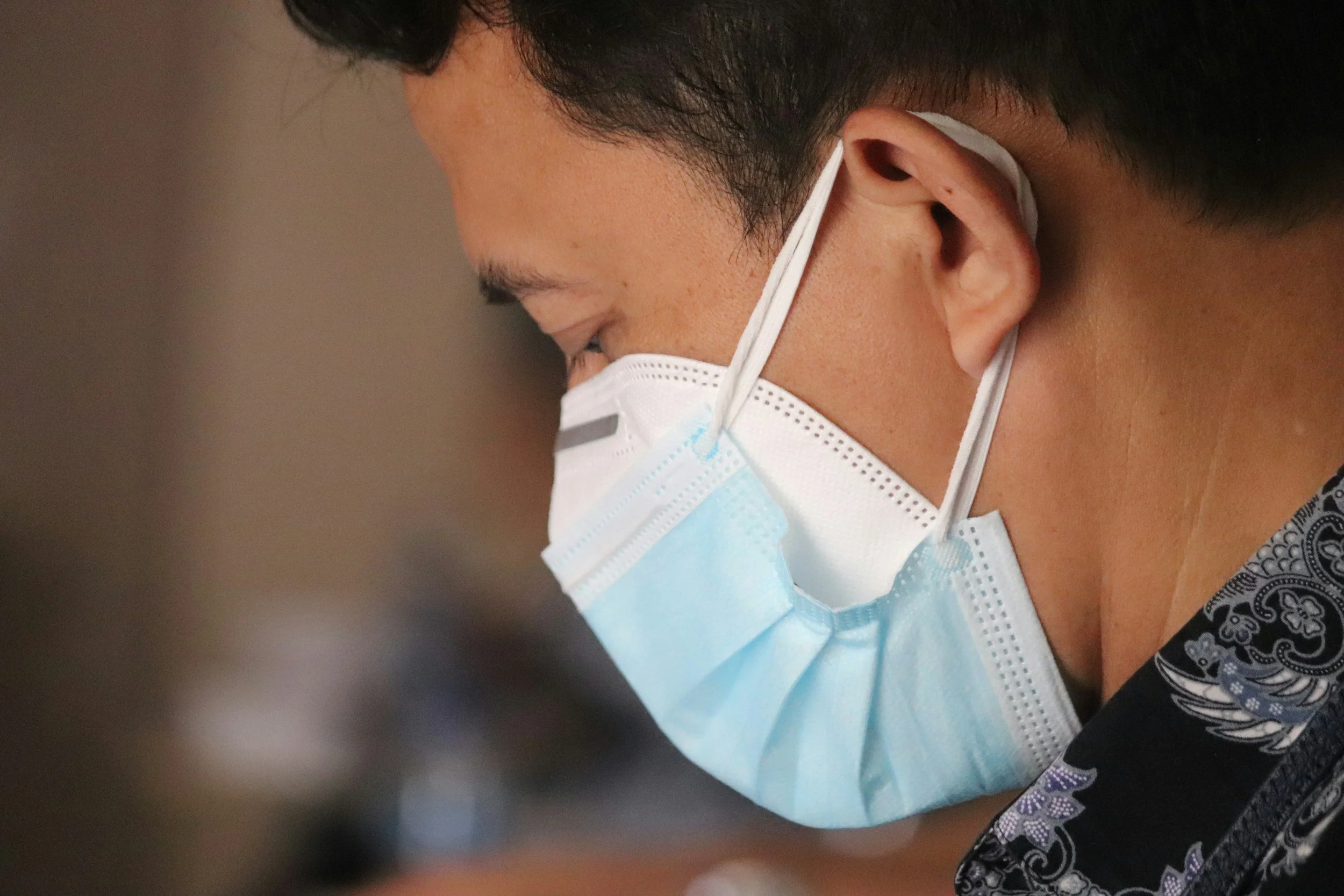
The COVID-19 pandemic has put constraints on all of our lives. Many of our daily interactions now take place virtually. When we do head out of the house, people will of course wear masks and keep their distance from others.
The National Organization for Rare Disorders (“NORD”) is currently soliciting responses to a survey concerning the effectiveness of telehealth appointments for rare disease patients: https://rareaction.org/take-action/#/67.