
News, Events & Blogs
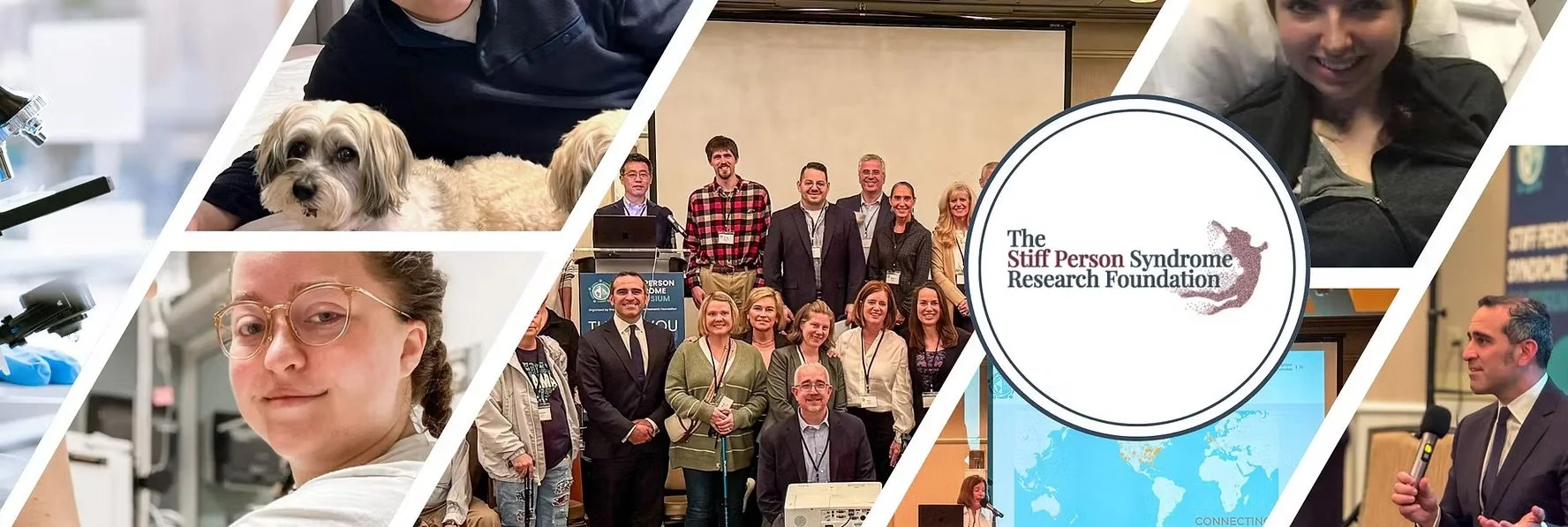
Advancing Science, Empowering Patients: The Stiff Person Syndrome Research Foundation’s Commitment to the Rare Disease Community
What happens when your body suddenly refuses to move the way it should? Discover the story behind Stiff Person Spectrum Disorders—a rare, often misunderstood condition that can turn everyday movements into a struggle. This article follows Tara Zier’s journey from misdiagnosis to founding the Stiff Person Syndrome Research Foundation, now at the forefront of global research and advocacy. Dive in to meet patients, learn how a superstar like Celine Dion is shining a spotlight on SPSD, and see how a growing community is reshaping hope, diagnosis, and support. Read more to uncover the science, stories, and resources making a difference for those affected by SPSD.

The Power of Patient Registries in Rare Diseases: Why Your Story Matters?
Unlike individual medical records that stay within a hospital or clinic, patient registries bring together data from patients across regions, countries, and healthcare systems. For rare diseases, this collective data can transform how scientists understand a condition.
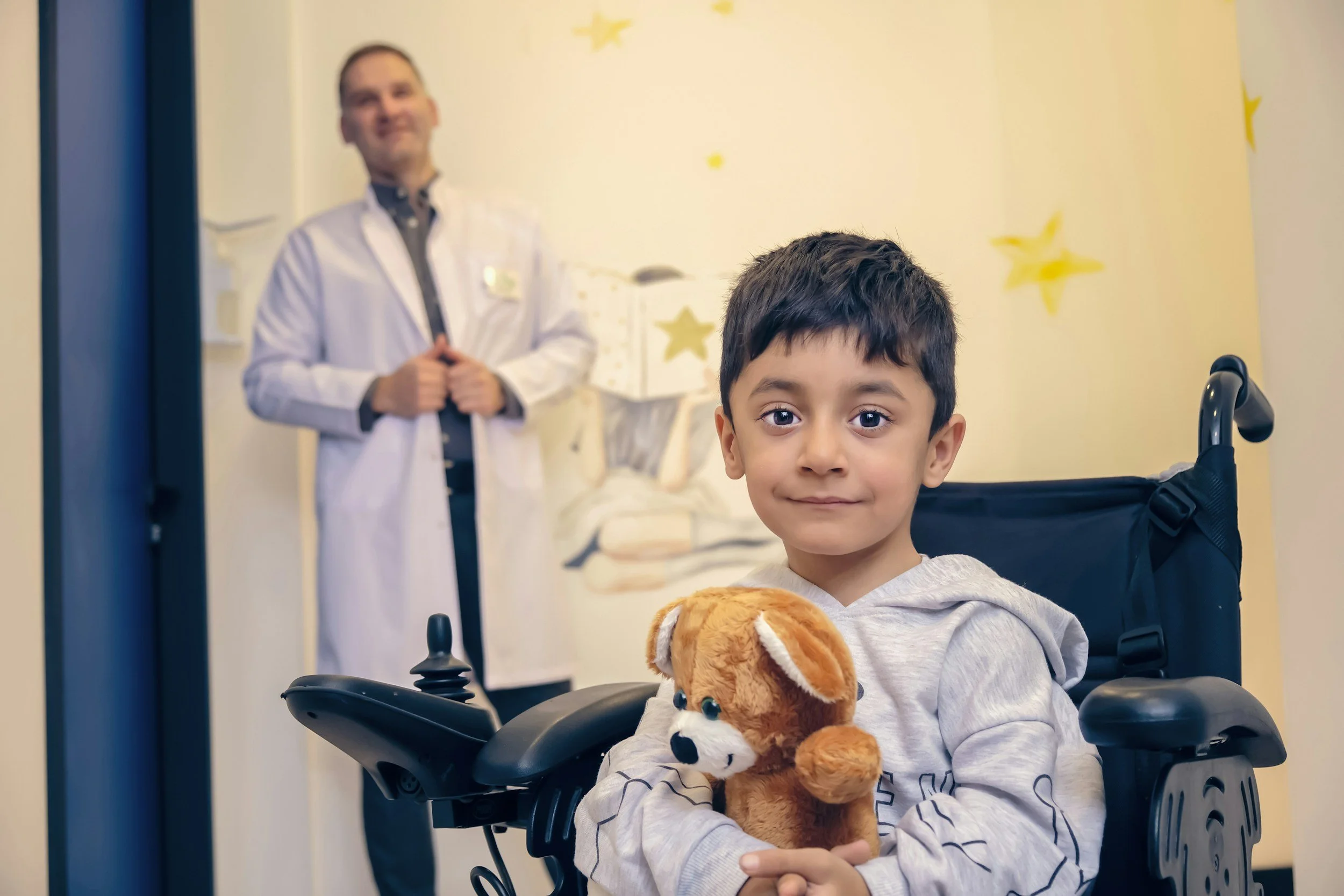
Congress Reauthorizes Rare Pediatric Disease PRV Program: A Major Win for 30 million Americans
U.S. Congress delivered a major victory for the rare disease community with the five-year reauthorization of the Rare Pediatric Disease Priority Review Voucher (PRV) Program alongside increased federal research funding and several patient-centered healthcare reforms.

When Lyme Stole Her Wings, Her Will Took Flight: The Kaylyn Goode Story
The Kaylyn Goode Story — seventeen years undiagnosed, and the resilience that turned a rare disease journey into a mission for awareness.
Why February 29th? The History Behind Rare Disease Day
More than 7,000 rare diseases affect an estimated 1 in 10 Americans, yet public awareness remains limited. Rare Disease Day, established in 2008 by EURORDIS, unites over 100 countries each year to promote research, health equity, and global advocacy. Through education, policy initiatives, and patient-driven storytelling, the movement continues to amplify voices that are too often unheard.

Economics and Politics in Rare Disease Treatments: The Rising Cost and Challenges
Orphan drug approvals are rising, offering hope for rare disease patients — but at an average cost of $370,000 per year. With policy shifts, Medicare loopholes, and falling research funding, the future of rare disease treatment hangs in the balance.

Funding challenges in Rare Disease Research: How financial support can transform the Rare Disease Landscape
Rare diseases may each affect only a small number of individuals, but collectively they impact up to 30 million Americans—highlighting a silent crisis in healthcare. Despite scientific progress, rare disease research remains chronically underfunded, resulting in delayed diagnoses, mismanagement, and a lack of effective treatments. This article explores the funding challenges that plague rare disease research and how strategic financial support—from government grants to public-private partnerships—can drive critical advancements. Transforming the rare disease landscape is not just about innovation; it's about giving millions a fair chance at timely diagnosis, effective care, and a better quality of life.
Navigating Clinical Trials: A Guide for Rare Disease Patients
A condition is defined as a rare disease if it affects fewer than 200,000 individuals. Approximately 7,000 conditions meet this definition. In 2016, the United States Food and Drug Administration awarded $23 million dollars towards a four year period that supported research for 21 different rare diseases. However, most rare diseases lack disease-modifying therapies or effective medications for several reasons…