
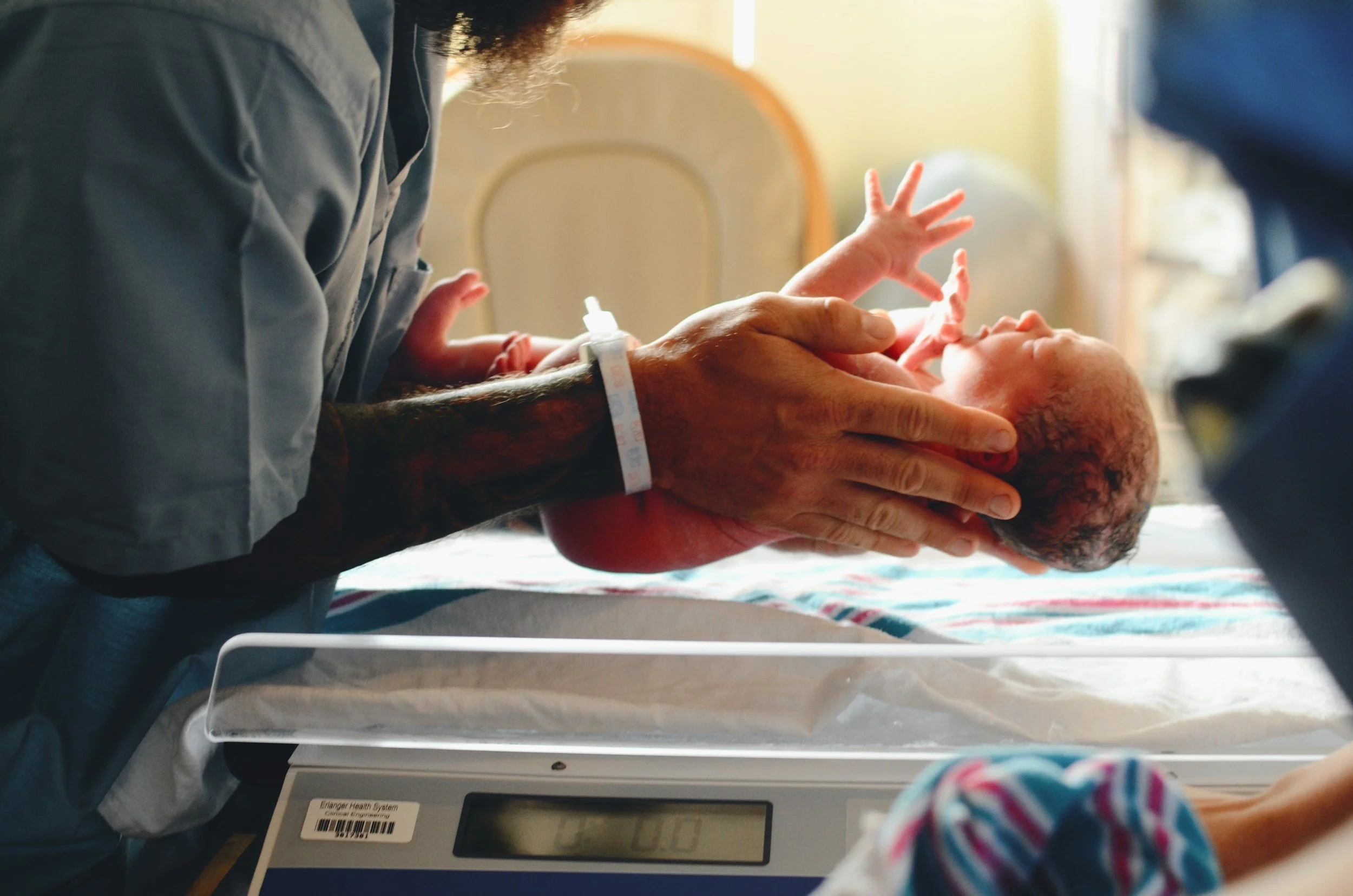
Every year, millions of babies undergo newborn screening within the first few days of life. A simple heel-prick blood test helps identify a handful of serious but treatable genetic and metabolic disorders before symptoms appear, allowing doctors to intervene early and improve outcomes. But what if we could look beyond a few dozen conditions and examine nearly all baby’s genes? Thanks to advances in DNA sequencing technology, newborn genome sequencing is becoming a reality. By analyzing an infant’s entire genome, healthcare providers may be able to identify hundreds of rare genetic disorders long before symptoms develop. This approach has the potential to transform pediatric medicine, but it also raises complex ethical, social, and medical questions.
Why Does Early Diagnosis Matter?
A rare disease is considered one that affects fewer than 200,000 people in the United States. While each condition is uncommon, there are over 7,000 known rare diseases collectively affecting approximately 25 to 30 million Americans.
Around 70% of rare diseases begin during childhood, and many are genetic. Unfortunately, families often spend years searching for a diagnosis, a frustrating journey commonly referred to as the “diagnostic odyssey.”
Delayed diagnosis can mean:
Missed opportunities for early treatment
Irreversible organ damage
Developmental delays
Multiple unnecessary tests and specialist visits
Emotional and financial stress for families
Newborn genome sequencing aims to shorten or even eliminate that diagnostic journey.
The Promise of Newborn Genome Sequencing
Unlike traditional newborn screening, which looks for a limited number of disorders using biochemical markers, genome sequencing analyzes nearly all protein-coding genes or even the entire genome.
This technology offers several potential advantages:
Earlier diagnosis of rare genetic disorders
Many genetic conditions appear healthy at birth but become apparent only after irreversible damage has occurred. Identifying these disorders before symptoms begin allows clinicians to monitor babies closely and initiate treatment at the earliest possible stage.
Personalized medical care
Knowing the genetic cause of a disease helps physicians choose targeted therapies, anticipate complications, and avoid treatments that may be ineffective or harmful.
Faster answers for families
Instead of years of uncertainty, parents may receive a diagnosis within weeks or months, enabling informed medical decisions, access to specialists, support groups, and clinical trials.
Advancing rare disease research
With appropriate consent, genomic data can contribute to research efforts that improve our understanding of rare diseases, identify new disease-causing genes, and accelerate the development of innovative therapies.
The Ethical Challenges

Despite its enormous potential, newborn genome sequencing is not simply a more advanced laboratory test. It generates lifelong genetic information that affects not only the child but often the entire family.
Several ethical concerns remain at the center of ongoing discussions:
Informed parental consent
Unlike routine newborn screening, genome sequencing provides extensive information, including findings unrelated to the child’s immediate health.
Parents must understand:
- What conditions are being tested
- Which results will be reported
- What uncertainties may exist
- How genetic information might be used in the futureProviding meaningful informed consent in the hectic days after childbirth can be challenging.
Variants of uncertain significance
Not every genetic change has a clear medical interpretation.
Some findings are classified as variants of uncertain significance (VUS), meaning scientists cannot determine whether they cause disease. Reporting these results may create unnecessary anxiety without offering clear guidance for medical care.
Incidental findings
Genome sequencing may unexpectedly reveal:
- Adult-onset disease risks
- Carrier status for recessive disorders
- Previously unknown biological relationships
- Genetic conditions affecting one or both parentsDeciding which findings should be disclosed and when remains an active ethical debate.
Privacy and genetic data security
A person’s genome is unique and permanent.
Questions arise regarding:
- Who owns the genetic data?
- How long should it be stored?
- Who can access it?
- Could it affect future insurance, employment, or privacy?
Protecting genomic information requires robust security measures and transparent policies.
The child’s future autonomy
A newborn cannot decide whether they want to know about future health risks.
Some experts argue that testing should focus only on childhood-onset conditions that are medically actionable, allowing individuals to make their own decisions about adult-onset conditions when they become adults.
Equity and Access
Genome sequencing technology has become significantly less expensive over the past decade, yet access remains uneven.
Healthcare systems must consider:
Cost-effectiveness
Availability of genetic counselors
Access in rural and underserved communities
Representation of diverse populations in genomic databases
Without equitable implementation, genomic medicine could unintentionally widen existing healthcare disparities.
Where Are We Today?
Several countries are evaluating newborn genome sequencing through pilot programs to determine its clinical usefulness, economic feasibility, and ethical implications.
Early results suggest that genome sequencing can identify certain serious genetic disorders that conventional newborn screening may miss. However, experts generally agree that more evidence is needed before routine population-wide implementation.
Many professional organizations currently support using newborn genome sequencing selectively, for example, in critically ill infants or when a genetic disorder is strongly suspected while broader screening programs continue to be evaluated.

Looking Ahead
Newborn genome sequencing represents one of the most exciting advances in precision medicine. It offers the possibility of earlier diagnoses, personalized treatments, and a shorter diagnostic journey for families affected by rare diseases.
Yet with great scientific power comes equally important ethical responsibility.
As genomic medicine becomes increasingly integrated into healthcare, success will depend not only on technological innovation but also on thoughtful policies, informed consent, equitable access, strong privacy protections, and ongoing public engagement.
The future of newborn screening may extend far beyond the heel-prick test but ensuring that this future is both scientifically sound and ethically responsible will be just as important as technology itself.
