Drug Repurposing: Finding New Uses for Old Medicines in Rare Diseases
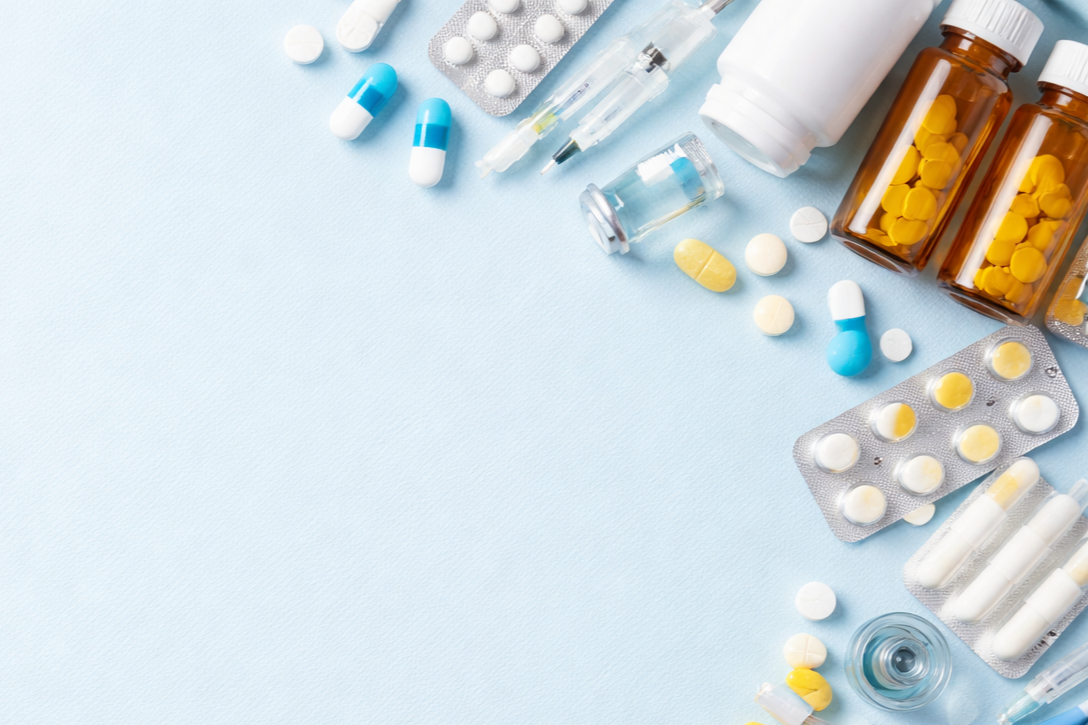
For millions of people living with rare diseases, the biggest challenge isn’t just diagnosis; it’s the lack of effective treatments. Developing a brand-new drug from scratch can take over a decade and cost billions of dollars, which often makes it financially unviable for conditions that affect only a few thousand patients worldwide. But sometimes, the solution already exists, just not where we expect it. That’s where drug repurposing, or drug repositioning, comes in. It’s the process of discovering new therapeutic uses for existing drugs that were originally designed for other conditions. Since these drugs have already passed safety trials, repurposing them can dramatically reduce time, cost and risk in getting treatments to patients who urgently need them.
Let’s look at some remarkable success stories where old medicines found new life in treating rare disorders.
1. Sirolimus (Rapamycin) – from transplant medicine to rare genetic syndromes
Originally developed to prevent organ rejection after kidney transplants, Sirolimus was later found to help patients with Tuberous Sclerosis Complex and Lymphangioleiomyomatosis which are both rare diseases caused by overactive mTOR signaling. Rapamycin inhibits the mTOR pathway, reducing abnormal cell growth that drives these disorders.Originally developed to prevent organ rejection after kidney transplants, Sirolimus was later found to help patients with Tuberous Sclerosis Complex and Lymphangioleiomyomatosis which are both rare diseases caused by overactive mTOR signaling. Rapamycin inhibits the mTOR pathway, reducing abnormal cell growth that drives these disorders.
2. Thalidomide – from tragedy to treatment
Once infamous for causing birth defects, Thalidomide was later repurposed for multiple myeloma (a rare cancer) and erythema nodosum leprosum (a rare complication of leprosy). Thalidomide works by regulating immune response and inhibiting angiogenesis (blood vessel formation).
3. Sildenafil – from heart failure to pulmonary hypertension
Originally designed for angina and heart failure, Sildenafil showed unexpected benefits in pulmonary arterial hypertension, a rare and life-threatening condition affecting lung blood vessels. Sildenafil helps relax and widen blood vessels, improving oxygen delivery.
4. Propranolol – from blood pressure to rare infant tumor
Propranolol, a beta-blocker used for hypertension, became a breakthrough treatment for infantile hemangiomas, rare benign tumors in infants. The discovery was serendipitous; doctors observed that babies receiving Propranolol for heart issues had their hemangiomas shrink rapidly. Today, it’s the first-line therapy for this condition, replacing invasive surgeries.
5. Nitisinone – from herbicide research to metabolic disease
Initially developed as a weed killer, Nitisinone was repurposed to treat Hereditary Tyrosinemia Type 1, a rare metabolic disorder. Nitisinone works by blocking the enzyme responsible for producing toxic metabolites in this disease.
6. Cladribine – from leukemia to rare autoimmune disease
Originally used in hairy cell leukemia, Cladribine was repurposed for multiple sclerosis, including rare aggressive forms. This highlights how oncology drugs often find second lives in immune- mediated diseases.
7. Miglustat – from substrate reduction to neurodegeneration
Initially developed for Gaucher disease, Miglustat was later repurposed for Niemann–Pick disease type C, a rare and fatal neurodegenerative disorder. It works by reducing toxic lipid accumulation in cells.
8. Azithromycin – from antibiotic to immune modulator
Beyond its antibacterial role, Azithromycin has anti-inflammatory properties. It has been repurposed for Diffuse Panbronchiolitis and certain rare lung diseases, where long-term low- dose use improves survival by modulating immune responses rather than killing bacteria.
9. Metformin – from diabetes to rare cancer syndromes
Widely used for type 2 diabetes, Metformin is being explored in Peutz–Jeghers syndrome and other rare cancer-predisposition disorders. Its effects on AMPK activation and mTOR inhibition overlap with pathways dysregulated in these syndromes making it an attractive low-cost candidate.
10. 4-Phenylbutyrate – from urea cycle disorders to protein-misfolding diseases
Originally approved for urea cycle disorders, 4-Phenylbutyrate is now studied in cystic fibrosis, spinal muscular atrophy, and rare neurodegenerative diseases. It acts as a chemical chaperone, helping misfolded proteins reach functional conformations.
11. Doxycycline – from antibiotic to rare connective tissue disorder
Doxycycline is being repurposed for Marfan syndrome due to its ability to inhibit matrix metalloproteinases, which contribute to aortic aneurysm formation. This use targets disease progression rather than symptoms.
Repurposing Hope
Repurposing old drugs to treat rare diseases solves multiple problems at once:
Safety already known (human trials done)
Lower cost (no billion-dollar R&D)
Faster approval (often skips early trial phases)
Immediate hope for patients with no treatment options
For rare diseases, this can mean years saved. It can offer new hope for the patients, many of whom wait years or even decades for effective therapies.
By understanding disease mechanisms at the molecular level (disease pathway analysis), researchers can uncover hidden links between existing drugs and rare disorders. Advances in genomics, AI-driven drug screening, and patient data (real-world clinical observations) are accelerating this process, opening new doors for the rare disease community. Sometimes, the right medicine is already on the shelf; it just needs to find the right patient.
